Iran rejects US nuclear demands
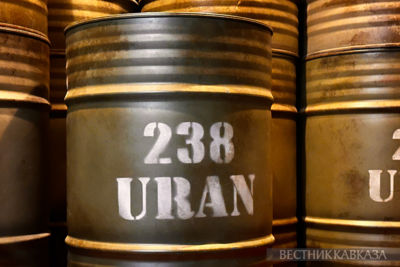
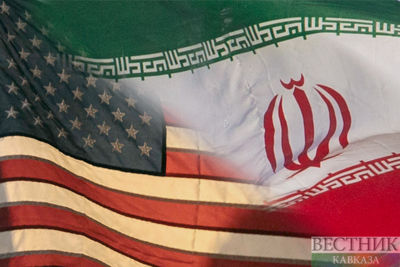
Iran has dismissed the demands presented by the United States during the recent Geneva talks, according to media reports, with Tehran confirming that uranium enrichment activities will continue.
Iran has indicated it is prepared to make concessions on its nuclear programme in talks with the U.S. in return for the lifting of sanctions and recognition of its right to enrich uranium, as it seeks to avert a U.S. attack.
Iran indicated willingness to freeze nuclear material production for up to ten years during negotiations in Geneva, but firmly rejected ending uranium enrichment altogether, The New York Times reported, citing sources.
The International Atomic Energy Agency (IAEA) and Iran may reach an agreement on inspections of the country’s nuclear facilities in the coming days, IAEA Director General Rafael Grossi said.
Esmaeil Baghaei affirmed Iran's willingness to engage in discussions regarding the extent of uranium enrichment. He emphasized that the Islamic Republic is considerably distant from developing nuclear weapons.
Iran is not discussing a complete halt to uranium enrichment in its talks with the United States in Oman, secretary of Iran’s Supreme National Security Council Ali Larijani said.
Iranian President Masoud Pezeshkian said during a speech marking the 47th anniversary of Iran's Islamic Revolution that his country is prepared for "any verification" of its nuclear programme, insisting Tehran is not seeking atomic weapons.
Iran is prepared to dilute its highly enriched uranium if the U.S. lifts all sanctions on the country, head of Iran's atomic energy agency Mohammad Eslami said after talks resumed with Washington.
Iranian Deputy Foreign Minister Abbas Araghchi has stated that Tehran considers its right to enrich uranium inalienable and will not renounce it, even under the threat of war.
Iran still has almost all of its enriched uranium despite Israeli and U.S. strikes on Iranian nuclear facilities, International Atomic Energy Agency (IAEA) Director General Rafael Grossi told the Financial Times.
The International Atomic Energy Agency has confirmed Iran maintains its current uranium enrichment levels without acceleration, though significant nuclear materials remain in the country.
Tehran has opposed negotiations with Washington, with Iran's Supreme Leader stating that the US is dictating its terms.
Tehran declared its right to continue uranium enrichment only on the territory of Iran during the talks with the E3 countries (France, Germany, and the United …
Iran’s nuclear facilities were “seriously damaged” by U.S. missile strikes last month but the regime intends to continue uranium enrichment efforts once they are rebuilt, Iranian Foreign Minister Abbas Araghchi told Fox News.
Iran’s ambassador to the United Nations Amir-Saeid Iravani said the Islamic republic’s nuclear enrichment “will never stop” because it is permitted for “peaceful energy” purposes under the treaty on the non-proliferation of nuclear weapons.
The International Atomic Energy Agency (IAEA) is unable to trace Iranian enriched uranium, IAEA director general Rafael Grossi said.
Iran is "much further away from a nuclear weapon" after the American attacks on its nuclear facilities, U.S. Secretary of State Marco Rubio said.
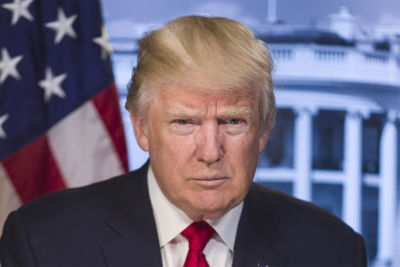
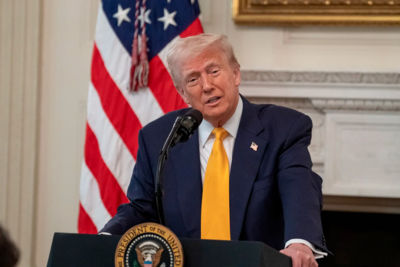
U.S. President Donald Trump said that Washington will not allow Iran to resume uranium enrichment, which would enable Washington to establish "somewhat of a relationship" with Tehran.
Iran will continue uranium enrichment, a source in the country's security sector said, RIA Novosti reported.
U.S. senior officials conceded they did not know the fate of Iran’s stockpile of near-bomb-grade uranium, The New York Times reported.